Buy school-tool.com ?
We are moving the project
school-tool.com .
Are you interested in purchasing the domain
school-tool.com ?
domain@kv-gmbh.de · 0541-91531010
Buy school-tool.com ?
How does vocational school differ from high school?
Vocational school differs from high school in several ways. Firstly, vocational schools focus on providing hands-on training and practical skills in a specific trade or industry, while high schools offer a more general education curriculum. Additionally, vocational schools often have smaller class sizes and a more personalized learning environment, as they are designed to prepare students for specific careers. Finally, vocational schools typically have a shorter duration of study, with programs ranging from a few months to a few years, compared to the four-year duration of high school. **
How does the teaching at a regular high school differ from that at an academic high school?
At a regular high school, the teaching is often focused on a broad range of subjects and may cater to students with varying academic abilities. The curriculum may include vocational or technical courses, and the emphasis may be on preparing students for the workforce or further education. In contrast, at an academic high school, the teaching is typically more focused on rigorous academic subjects and may be geared towards preparing students for college or university. The curriculum may include advanced placement or honors courses, and there may be a greater emphasis on critical thinking, research, and academic achievement. **


Similar search terms for Differ
Top-Angebote
Products related to Differ:
-
JoyToys Montessori Wooden Learning Clock Time Teaching Puzzle For Kids Montessori Wooden Learning Clock Time Teaching Puzzle For KidsLearn through play with our wooden learning clock, designed to help children confidently understand time while developing essential early learning skills. This engaging Montessori clock combines handson puzzle play with interactive time practice,...29,97 $*Shipping: 0,00 $Secure redirect to the provider
-
Scholastic Teaching Resources Sight Word Readers Classroom Box SetJumpstart reading success with this irresistible collection of 125 little books that introduce and reinforce the first 50 must-know sight words! Each set includes a sturdy storage box stocked with 5 copies of 25 delightful tales—each presenting two...101,99 $*Shipping: 0,00 $Secure redirect to the provider
-
Market Central Felt Finger Numbers Math Toy Toddler Counting Early Education Learning Game Felt Finger Numbers Math Toy Toddler Counting Early Education Learning GameThis toddler Montessori felt math toy provides an interactive way for young children to learn basic numbers and early counting skills. Designed to build foundational math skills through handson play, it helps develop early childhood intelligence and...34,97 $*Shipping: 0,00 $Secure redirect to the provider
-
Tiny Tots Teens Trends Kids Montessori Wooden Clock Toy, Time Learning Teaching Aids, Educational For Children, Primary School Clever Board Toy orangeIntroducing the Kids Montessori Wooden Clock Toy, a perfect educational tool that teaches children how to understand time while developing essential motor skills. This beautifully crafted clock toy is made from natural and sustainable solid wood,...29,97 $*Shipping: 0,00 $Secure redirect to the provider


-
How does compulsory education differ between Germany and Greece?
Compulsory education in Germany starts at the age of 6 and lasts for 9-10 years, depending on the state. In Greece, compulsory education starts at the age of 5 and lasts for 9 years. In Germany, children attend primary school for 4 years and then move on to secondary school, while in Greece, primary education lasts for 6 years and is followed by 3 years of lower secondary education. Additionally, in Germany, there are different types of secondary schools, such as Gymnasium, Realschule, and Hauptschule, while in Greece, there is a single type of lower secondary school. **
-
How does studying in college differ from other learning methods?
Studying in college differs from other learning methods in several ways. Firstly, college education provides a structured and comprehensive curriculum that covers a wide range of subjects and topics, allowing students to gain in-depth knowledge and critical thinking skills. Additionally, college learning involves more independent study and research, as students are expected to take responsibility for their own learning and seek out additional resources. Furthermore, college education often includes opportunities for hands-on experience, internships, and collaborative projects, which can enhance practical skills and real-world application of knowledge. Overall, studying in college offers a more immersive and specialized learning experience compared to other methods. **
-
How do learning disabled individuals differ from intellectually disabled individuals?
Learning disabled individuals have difficulties with specific academic skills, such as reading, writing, or math, despite having average or above-average intelligence. On the other hand, intellectually disabled individuals have limitations in intellectual functioning and adaptive behavior, which affects their everyday functioning. While learning disabled individuals may struggle with certain academic tasks, intellectually disabled individuals have more general cognitive limitations that impact their overall ability to learn and function in daily life. Additionally, learning disabilities are often identified through specific assessments and testing, while intellectual disabilities are diagnosed through comprehensive evaluations of cognitive and adaptive functioning. **
-
How does the education in the past differ from the education today?
Education in the past was often more traditional and focused on rote memorization, with an emphasis on discipline and obedience. Students were often taught in a one-size-fits-all approach, with little consideration for individual learning styles. Today, education is more student-centered, with a focus on critical thinking, creativity, and problem-solving skills. There is also a greater emphasis on personalized learning and the use of technology in the classroom. Additionally, there is a greater recognition of the importance of social and emotional learning in education today. **

In what way does Catholic and Protestant religious education differ?
Catholic and Protestant religious education differ in several ways. One key difference is the emphasis on the authority of the church. In Catholic education, the teachings of the church and the authority of the Pope are central, while in Protestant education, there is a greater emphasis on individual interpretation of the Bible and the priesthood of all believers. Additionally, Catholic education places a strong emphasis on the sacraments and the veneration of saints, while Protestant education tends to focus more on the study of scripture and personal relationship with God. Finally, there are differences in the religious practices and rituals that are emphasized in each tradition, which are reflected in their respective educational programs. **
How does vocational school differ from other schools?
Vocational schools differ from other schools in that they focus on providing hands-on training and specific skills for a particular trade or profession. These schools are more career-oriented and prepare students for immediate entry into the workforce. In contrast, traditional schools like high schools and universities offer a broader education with a focus on academic subjects. Vocational schools often have shorter programs and may offer certifications or licenses upon completion, while other schools typically award degrees. **
Top-Angebote
Products related to Differ:
-
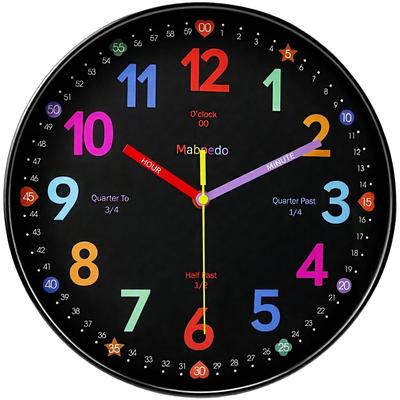
Perfect Picks Market Kids Learning Clock Silent Analog Teaching Wall Clock For Classroom & Bedroom Inch white 10 InchTransform learning into an exciting daily adventure with this Kids learning clock designed to help children master time with confidence. Featuring colorful numbers, clearly marked hands, and an easytoread analog display, it's perfect for young...69,97 $*Shipping: 0,00 $Secure redirect to the provider
-
Usborne Beginners Science Series – 10 Book Classroom Set Primary School STEM & Nonfiction Learning Books (Includes Earthquakes & Tsunamis)Inspire curiosity and a love of learning with the Usborne Beginners Science Series – 10 Books Collection Set, created by Usborne. This engaging educational collection introduces young readers to fascinating science topics through clear explanations, vivid illustrations, and easy-to-read text. Covering subjects such as Earthquakes and Tsunamis, nature, space, and the world around us, these books make complex ideas accessible and exciting. Designed for independent readers and classroom use, the Usborne Beginners series supports early STEM learning, reading confidence, and general knowledge development. Why Parents & Teachers Love This Collection: 10 engaging science books for children Covers key topics including Earthquakes & Tsunamis Easy-to-read format ideal for beginners Bright illustrations and simple explanations Perfect for ages 6–10 and early learners A fantastic introduction to science, the Usborne Beginners Collection helps children explore, question, and understand the world around them. Earthquakes and Tsunamis This is a fantastic addition to the popular Beginners series, providing an informative introduction to the fascinating world of earthquakes for young readers. There are clear explanations of the science behind different types of earthquakes and their effects, including tsunamis and landslides. This title features real-life earthquakes, and describes how people are kept safe and rescued when disaster strikes. Striking colour photographs and step-by-step illustrations engage readers with the subject matter. This title is developed with a reading expert from Roehampton University to help young readers grow in confidence. Sun Moon and Stars What is the Sun made of? How did astronauts get to the Moon and what did they find there? For children beginning to read on their own, this book is an exciting introduction to space. Includes vivid, full colour illustrations and photographs on every page, and easy-to-read text specially written with the help of a reading expert Living in Space How do astronauts travel into space? Where do they live when they get there? What do they do all day? In this book you'll find the answers and lots more amazing facts about living in space. This non-fiction series aims to encourage children to access the wonder of the world around them. The easy-to-read text has been specially written with the help of a reading expert Storms and Hurricanes How do astronauts travel into space? Where do they live when they get there? What do they do all day? In this book you'll find the answers and lots more amazing facts about living in space. This non-fiction series aims to encourage children to access the wonder of the world around them. The easy-to-read text has been specially written with the help of a reading expert Volcanoes An introduction to earthquakes and volcanoes. The sensational images combine with lively text, amazing facts, diagrams and a comprehensive glossary Astronomy A straightforward book telling...17,99 £*Shipping: 2,99 £Secure redirect to the provider
-
JoyToys Montessori Wooden Learning Clock Time Teaching Puzzle For Kids Montessori Wooden Learning Clock Time Teaching Puzzle For KidsLearn through play with our wooden learning clock, designed to help children confidently understand time while developing essential early learning skills. This engaging Montessori clock combines handson puzzle play with interactive time practice,...29,97 $*Shipping: 0,00 $Secure redirect to the provider
-
Scholastic Teaching Resources Sight Word Readers Classroom Box SetJumpstart reading success with this irresistible collection of 125 little books that introduce and reinforce the first 50 must-know sight words! Each set includes a sturdy storage box stocked with 5 copies of 25 delightful tales—each presenting two...101,99 $*Shipping: 0,00 $Secure redirect to the provider
-
How does vocational school differ from high school?
Vocational school differs from high school in several ways. Firstly, vocational schools focus on providing hands-on training and practical skills in a specific trade or industry, while high schools offer a more general education curriculum. Additionally, vocational schools often have smaller class sizes and a more personalized learning environment, as they are designed to prepare students for specific careers. Finally, vocational schools typically have a shorter duration of study, with programs ranging from a few months to a few years, compared to the four-year duration of high school. **
-
How does the teaching at a regular high school differ from that at an academic high school?
At a regular high school, the teaching is often focused on a broad range of subjects and may cater to students with varying academic abilities. The curriculum may include vocational or technical courses, and the emphasis may be on preparing students for the workforce or further education. In contrast, at an academic high school, the teaching is typically more focused on rigorous academic subjects and may be geared towards preparing students for college or university. The curriculum may include advanced placement or honors courses, and there may be a greater emphasis on critical thinking, research, and academic achievement. **
-
How does compulsory education differ between Germany and Greece?
Compulsory education in Germany starts at the age of 6 and lasts for 9-10 years, depending on the state. In Greece, compulsory education starts at the age of 5 and lasts for 9 years. In Germany, children attend primary school for 4 years and then move on to secondary school, while in Greece, primary education lasts for 6 years and is followed by 3 years of lower secondary education. Additionally, in Germany, there are different types of secondary schools, such as Gymnasium, Realschule, and Hauptschule, while in Greece, there is a single type of lower secondary school. **
-
How does studying in college differ from other learning methods?
Studying in college differs from other learning methods in several ways. Firstly, college education provides a structured and comprehensive curriculum that covers a wide range of subjects and topics, allowing students to gain in-depth knowledge and critical thinking skills. Additionally, college learning involves more independent study and research, as students are expected to take responsibility for their own learning and seek out additional resources. Furthermore, college education often includes opportunities for hands-on experience, internships, and collaborative projects, which can enhance practical skills and real-world application of knowledge. Overall, studying in college offers a more immersive and specialized learning experience compared to other methods. **
Similar search terms for Differ
-
Market Central Felt Finger Numbers Math Toy Toddler Counting Early Education Learning Game Felt Finger Numbers Math Toy Toddler Counting Early Education Learning GameThis toddler Montessori felt math toy provides an interactive way for young children to learn basic numbers and early counting skills. Designed to build foundational math skills through handson play, it helps develop early childhood intelligence and...34,97 $*Shipping: 0,00 $Secure redirect to the provider
-
Tiny Tots Teens Trends Kids Montessori Wooden Clock Toy, Time Learning Teaching Aids, Educational For Children, Primary School Clever Board Toy orangeIntroducing the Kids Montessori Wooden Clock Toy, a perfect educational tool that teaches children how to understand time while developing essential motor skills. This beautifully crafted clock toy is made from natural and sustainable solid wood,...29,97 $*Shipping: 0,00 $Secure redirect to the provider
-
Perfect Picks Market Kids Learning Clock Silent Analog Teaching Wall Clock For Classroom & Bedroom Inch black 10 InchTransform learning into an exciting daily adventure with this Kids learning clock designed to help children master time with confidence. Featuring colorful numbers, clearly marked hands, and an easytoread analog display, it's perfect for young...69,97 $*Shipping: 0,00 $Secure redirect to the provider
-
Perfect Picks Market Kids Learning Clock Silent Analog Teaching Wall Clock For Classroom & Bedroom Inch white 8 InchTransform learning into an exciting daily adventure with this Kids learning clock designed to help children master time with confidence. Featuring colorful numbers, clearly marked hands, and an easytoread analog display, it's perfect for young...54,97 $*Shipping: 0,00 $Secure redirect to the provider
-
How do learning disabled individuals differ from intellectually disabled individuals?
Learning disabled individuals have difficulties with specific academic skills, such as reading, writing, or math, despite having average or above-average intelligence. On the other hand, intellectually disabled individuals have limitations in intellectual functioning and adaptive behavior, which affects their everyday functioning. While learning disabled individuals may struggle with certain academic tasks, intellectually disabled individuals have more general cognitive limitations that impact their overall ability to learn and function in daily life. Additionally, learning disabilities are often identified through specific assessments and testing, while intellectual disabilities are diagnosed through comprehensive evaluations of cognitive and adaptive functioning. **
-
How does the education in the past differ from the education today?
Education in the past was often more traditional and focused on rote memorization, with an emphasis on discipline and obedience. Students were often taught in a one-size-fits-all approach, with little consideration for individual learning styles. Today, education is more student-centered, with a focus on critical thinking, creativity, and problem-solving skills. There is also a greater emphasis on personalized learning and the use of technology in the classroom. Additionally, there is a greater recognition of the importance of social and emotional learning in education today. **
-
In what way does Catholic and Protestant religious education differ?
Catholic and Protestant religious education differ in several ways. One key difference is the emphasis on the authority of the church. In Catholic education, the teachings of the church and the authority of the Pope are central, while in Protestant education, there is a greater emphasis on individual interpretation of the Bible and the priesthood of all believers. Additionally, Catholic education places a strong emphasis on the sacraments and the veneration of saints, while Protestant education tends to focus more on the study of scripture and personal relationship with God. Finally, there are differences in the religious practices and rituals that are emphasized in each tradition, which are reflected in their respective educational programs. **
-
How does vocational school differ from other schools?
Vocational schools differ from other schools in that they focus on providing hands-on training and specific skills for a particular trade or profession. These schools are more career-oriented and prepare students for immediate entry into the workforce. In contrast, traditional schools like high schools and universities offer a broader education with a focus on academic subjects. Vocational schools often have shorter programs and may offer certifications or licenses upon completion, while other schools typically award degrees. **
* All prices are inclusive of VAT and, if applicable, plus shipping costs. The offer information is based on the details provided by the respective shop and is updated through automated processes. Real-time updates do not occur, so deviations can occur in individual cases. ** Note: Parts of this content were created by AI.