Buy school-tool.com ?
We are moving the project
school-tool.com .
Are you interested in purchasing the domain
school-tool.com ?
domain@kv-gmbh.de · 0541-91531010
Buy school-tool.com ?
Can stackable stones promote cognition?
Stackable stones can potentially promote cognition by engaging the brain in problem-solving tasks, improving spatial awareness, and enhancing hand-eye coordination. The act of stacking stones requires focus, concentration, and planning, which can help stimulate cognitive functions. Additionally, the tactile experience of handling the stones can provide sensory feedback that may benefit cognitive development. Overall, incorporating stackable stones into activities or games can be a fun and beneficial way to support cognitive skills. **
Can stepping stones promote cognition?
Yes, stepping stones can promote cognition by engaging both the body and mind. When individuals navigate through stepping stones, they are required to plan their movements, make decisions, and coordinate their actions, which can help improve cognitive functions such as problem-solving, spatial awareness, and memory. Additionally, stepping stones can provide sensory stimulation and feedback, further enhancing cognitive development. Overall, incorporating stepping stones into activities or environments can be a fun and effective way to promote cognitive skills. **
Similar search terms for Cognition
Top-Angebote
Products related to Cognition:
-
ZeinPharma Ginkgo Biloba 100mg Memory and Cognition Food Supplement 120 caps.A food supplement. It designed to enhance circulation and promote healthy brain function. This vegetarian capsule offers a unique texture and easy application, addressing common concerns such as joint health and cognitive support. Supports healthy circulation. Enhances cognitive function. Inflammation-reducing properties.29,35 £*Shipping: 5,22 £Secure redirect to the provider
-
Perfect Picks Market Kids Learning Clock Silent Analog Teaching Wall Clock For Classroom & Bedroom Inch white 10 InchTransform learning into an exciting daily adventure with this Kids learning clock designed to help children master time with confidence. Featuring colorful numbers, clearly marked hands, and an easytoread analog display, it's perfect for young...69,97 $*Shipping: 0,00 $Secure redirect to the provider
-
JoyToys Montessori Wooden Learning Clock Time Teaching Puzzle For Kids Montessori Wooden Learning Clock Time Teaching Puzzle For KidsLearn through play with our wooden learning clock, designed to help children confidently understand time while developing essential early learning skills. This engaging Montessori clock combines handson puzzle play with interactive time practice,...29,97 $*Shipping: 0,00 $Secure redirect to the provider
-
Usborne Beginners Science Series – 10 Book Classroom Set Primary School STEM & Nonfiction Learning Books (Includes Earthquakes & Tsunamis)Inspire curiosity and a love of learning with the Usborne Beginners Science Series – 10 Books Collection Set, created by Usborne. This engaging educational collection introduces young readers to fascinating science topics through clear explanations, vivid illustrations, and easy-to-read text. Covering subjects such as Earthquakes and Tsunamis, nature, space, and the world around us, these books make complex ideas accessible and exciting. Designed for independent readers and classroom use, the Usborne Beginners series supports early STEM learning, reading confidence, and general knowledge development. Why Parents & Teachers Love This Collection: 10 engaging science books for children Covers key topics including Earthquakes & Tsunamis Easy-to-read format ideal for beginners Bright illustrations and simple explanations Perfect for ages 6–10 and early learners A fantastic introduction to science, the Usborne Beginners Collection helps children explore, question, and understand the world around them. Earthquakes and Tsunamis This is a fantastic addition to the popular Beginners series, providing an informative introduction to the fascinating world of earthquakes for young readers. There are clear explanations of the science behind different types of earthquakes and their effects, including tsunamis and landslides. This title features real-life earthquakes, and describes how people are kept safe and rescued when disaster strikes. Striking colour photographs and step-by-step illustrations engage readers with the subject matter. This title is developed with a reading expert from Roehampton University to help young readers grow in confidence. Sun Moon and Stars What is the Sun made of? How did astronauts get to the Moon and what did they find there? For children beginning to read on their own, this book is an exciting introduction to space. Includes vivid, full colour illustrations and photographs on every page, and easy-to-read text specially written with the help of a reading expert Living in Space How do astronauts travel into space? Where do they live when they get there? What do they do all day? In this book you'll find the answers and lots more amazing facts about living in space. This non-fiction series aims to encourage children to access the wonder of the world around them. The easy-to-read text has been specially written with the help of a reading expert Storms and Hurricanes How do astronauts travel into space? Where do they live when they get there? What do they do all day? In this book you'll find the answers and lots more amazing facts about living in space. This non-fiction series aims to encourage children to access the wonder of the world around them. The easy-to-read text has been specially written with the help of a reading expert Volcanoes An introduction to earthquakes and volcanoes. The sensational images combine with lively text, amazing facts, diagrams and a comprehensive glossary Astronomy A straightforward book telling...17,99 £*Shipping: 2,99 £Secure redirect to the provider


-
What is Immanuel Kant's theory on human cognition?
Immanuel Kant's theory on human cognition is based on the idea that our knowledge of the world is not solely derived from sensory experience, but is also shaped by the mind's innate structures and categories. He argued that the mind actively organizes and interprets sensory input through concepts such as space, time, and causality. Kant believed that these innate structures, which he called "a priori" categories, are necessary for us to make sense of the world and form coherent knowledge. This theory of cognition is central to Kant's philosophy and has had a significant influence on the development of modern psychology and cognitive science. **
-
'By which impulses is cognition promoted in kindergarten?'
Cognition is promoted in kindergarten through various impulses such as sensory experiences, hands-on activities, and social interactions. Sensory experiences, such as exploring different textures and materials, help children develop their cognitive abilities by engaging their senses and making connections between their experiences and the world around them. Hands-on activities, such as puzzles, building blocks, and art projects, encourage children to use their problem-solving skills and think critically. Social interactions with peers and teachers also promote cognition by providing opportunities for children to communicate, collaborate, and learn from each other. Overall, these impulses help to stimulate children's cognitive development and lay the foundation for future learning. **
-
Should one learn teaching before teaching learning?
It is important to have a solid understanding of teaching methods and strategies before embarking on the journey of teaching others. Learning how to effectively communicate information, engage students, and assess their understanding are essential skills that can be acquired through formal education or training in teaching. By learning teaching techniques first, one can better support the learning process and create a more effective and engaging learning environment for their students. **
-
What further education opportunities are available for elementary school teaching?
Elementary school teachers have a variety of further education opportunities available to them. They can pursue a master's degree in education or a related field to deepen their knowledge and skills in teaching. Additionally, they can pursue specialized certifications or endorsements in areas such as special education, English as a second language, or literacy instruction. Professional development workshops, conferences, and online courses also provide opportunities for elementary school teachers to continue their education and stay current with best practices in the field. **

What is the difference between teaching special education and teaching special education?
Teaching special education involves working with students who have various learning disabilities or special needs, providing individualized instruction and support to help them succeed academically. On the other hand, teaching special education involves focusing on a specific area within special education, such as teaching students with autism, emotional or behavioral disorders, or intellectual disabilities. Both roles require specialized training and a deep understanding of how to best support students with diverse learning needs. **
Does using an iPad help with learning in school or in teaching?
Using an iPad can be beneficial for learning in school and teaching. It provides access to a wide range of educational apps, digital textbooks, and interactive learning resources that can enhance the learning experience. Additionally, the portability and versatility of the iPad make it a valuable tool for teachers to create engaging lesson plans and deliver dynamic presentations. The use of iPads can also promote collaboration and creativity in the classroom, making learning more interactive and enjoyable for students. **
Top-Angebote
Products related to Cognition:
-
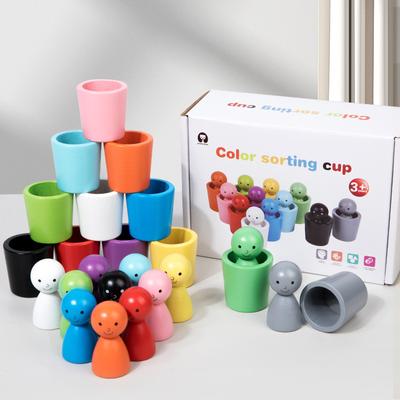
Tiny Tots Teens Trends Montessori Educational Toy, Wooden Color Cups, Sorting Cognition Game For Early Learning Montessori Educational Toy, Wooden Color Cups, Sorting Cognition Game For Early LearningIntroduce your child to the world of learning with the Montessori Wooden Toy Color Cups. Designed to enhance early cognitive development, this engaging matching sorting cognition game training toy provides hours of educational fun. Perfect for young...59,97 $*Shipping: 0,00 $Secure redirect to the provider
-
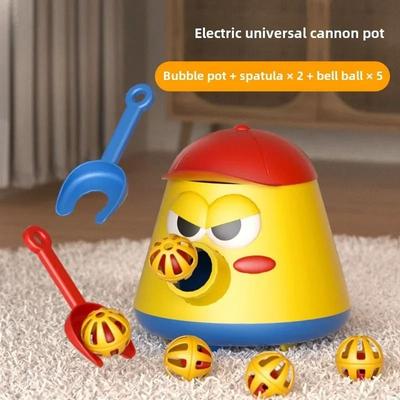
Uplift Picks Montessori Bell Learning Toy DIY Cognition Training Game For Kids bubble PotSpark curiosity and hands on discovery with this engaging Montessori bell learning toy designed to make learning playful and interactive. This fun educational cognition training game encourages children to match, identify, and respond to sound and...59,48 $*Shipping: 0,00 $Secure redirect to the provider
-
ZeinPharma Ginkgo Biloba 100mg Memory and Cognition Food Supplement 120 caps.A food supplement. It designed to enhance circulation and promote healthy brain function. This vegetarian capsule offers a unique texture and easy application, addressing common concerns such as joint health and cognitive support. Supports healthy circulation. Enhances cognitive function. Inflammation-reducing properties.29,35 £*Shipping: 5,22 £Secure redirect to the provider
-
Perfect Picks Market Kids Learning Clock Silent Analog Teaching Wall Clock For Classroom & Bedroom Inch white 10 InchTransform learning into an exciting daily adventure with this Kids learning clock designed to help children master time with confidence. Featuring colorful numbers, clearly marked hands, and an easytoread analog display, it's perfect for young...69,97 $*Shipping: 0,00 $Secure redirect to the provider
-
Can stackable stones promote cognition?
Stackable stones can potentially promote cognition by engaging the brain in problem-solving tasks, improving spatial awareness, and enhancing hand-eye coordination. The act of stacking stones requires focus, concentration, and planning, which can help stimulate cognitive functions. Additionally, the tactile experience of handling the stones can provide sensory feedback that may benefit cognitive development. Overall, incorporating stackable stones into activities or games can be a fun and beneficial way to support cognitive skills. **
-
Can stepping stones promote cognition?
Yes, stepping stones can promote cognition by engaging both the body and mind. When individuals navigate through stepping stones, they are required to plan their movements, make decisions, and coordinate their actions, which can help improve cognitive functions such as problem-solving, spatial awareness, and memory. Additionally, stepping stones can provide sensory stimulation and feedback, further enhancing cognitive development. Overall, incorporating stepping stones into activities or environments can be a fun and effective way to promote cognitive skills. **
-
What is Immanuel Kant's theory on human cognition?
Immanuel Kant's theory on human cognition is based on the idea that our knowledge of the world is not solely derived from sensory experience, but is also shaped by the mind's innate structures and categories. He argued that the mind actively organizes and interprets sensory input through concepts such as space, time, and causality. Kant believed that these innate structures, which he called "a priori" categories, are necessary for us to make sense of the world and form coherent knowledge. This theory of cognition is central to Kant's philosophy and has had a significant influence on the development of modern psychology and cognitive science. **
-
'By which impulses is cognition promoted in kindergarten?'
Cognition is promoted in kindergarten through various impulses such as sensory experiences, hands-on activities, and social interactions. Sensory experiences, such as exploring different textures and materials, help children develop their cognitive abilities by engaging their senses and making connections between their experiences and the world around them. Hands-on activities, such as puzzles, building blocks, and art projects, encourage children to use their problem-solving skills and think critically. Social interactions with peers and teachers also promote cognition by providing opportunities for children to communicate, collaborate, and learn from each other. Overall, these impulses help to stimulate children's cognitive development and lay the foundation for future learning. **
Similar search terms for Cognition
-
JoyToys Montessori Wooden Learning Clock Time Teaching Puzzle For Kids Montessori Wooden Learning Clock Time Teaching Puzzle For KidsLearn through play with our wooden learning clock, designed to help children confidently understand time while developing essential early learning skills. This engaging Montessori clock combines handson puzzle play with interactive time practice,...29,97 $*Shipping: 0,00 $Secure redirect to the provider
-
Usborne Beginners Science Series – 10 Book Classroom Set Primary School STEM & Nonfiction Learning Books (Includes Earthquakes & Tsunamis)Inspire curiosity and a love of learning with the Usborne Beginners Science Series – 10 Books Collection Set, created by Usborne. This engaging educational collection introduces young readers to fascinating science topics through clear explanations, vivid illustrations, and easy-to-read text. Covering subjects such as Earthquakes and Tsunamis, nature, space, and the world around us, these books make complex ideas accessible and exciting. Designed for independent readers and classroom use, the Usborne Beginners series supports early STEM learning, reading confidence, and general knowledge development. Why Parents & Teachers Love This Collection: 10 engaging science books for children Covers key topics including Earthquakes & Tsunamis Easy-to-read format ideal for beginners Bright illustrations and simple explanations Perfect for ages 6–10 and early learners A fantastic introduction to science, the Usborne Beginners Collection helps children explore, question, and understand the world around them. Earthquakes and Tsunamis This is a fantastic addition to the popular Beginners series, providing an informative introduction to the fascinating world of earthquakes for young readers. There are clear explanations of the science behind different types of earthquakes and their effects, including tsunamis and landslides. This title features real-life earthquakes, and describes how people are kept safe and rescued when disaster strikes. Striking colour photographs and step-by-step illustrations engage readers with the subject matter. This title is developed with a reading expert from Roehampton University to help young readers grow in confidence. Sun Moon and Stars What is the Sun made of? How did astronauts get to the Moon and what did they find there? For children beginning to read on their own, this book is an exciting introduction to space. Includes vivid, full colour illustrations and photographs on every page, and easy-to-read text specially written with the help of a reading expert Living in Space How do astronauts travel into space? Where do they live when they get there? What do they do all day? In this book you'll find the answers and lots more amazing facts about living in space. This non-fiction series aims to encourage children to access the wonder of the world around them. The easy-to-read text has been specially written with the help of a reading expert Storms and Hurricanes How do astronauts travel into space? Where do they live when they get there? What do they do all day? In this book you'll find the answers and lots more amazing facts about living in space. This non-fiction series aims to encourage children to access the wonder of the world around them. The easy-to-read text has been specially written with the help of a reading expert Volcanoes An introduction to earthquakes and volcanoes. The sensational images combine with lively text, amazing facts, diagrams and a comprehensive glossary Astronomy A straightforward book telling...17,99 £*Shipping: 2,99 £Secure redirect to the provider
-
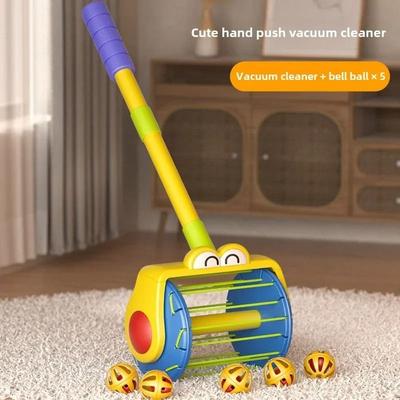
Uplift Picks Montessori Bell Learning Toy DIY Cognition Training Game For Kids vacuum CleanerSpark curiosity and hands on discovery with this engaging Montessori bell learning toy designed to make learning playful and interactive. This fun educational cognition training game encourages children to match, identify, and respond to sound and...52,48 $*Shipping: 0,00 $Secure redirect to the provider
-
Perfect Picks Market Kids Learning Clock Silent Analog Teaching Wall Clock For Classroom & Bedroom Inch black 8 InchTransform learning into an exciting daily adventure with this Kids learning clock designed to help children master time with confidence. Featuring colorful numbers, clearly marked hands, and an easytoread analog display, it's perfect for young...54,97 $*Shipping: 0,00 $Secure redirect to the provider
-
Should one learn teaching before teaching learning?
It is important to have a solid understanding of teaching methods and strategies before embarking on the journey of teaching others. Learning how to effectively communicate information, engage students, and assess their understanding are essential skills that can be acquired through formal education or training in teaching. By learning teaching techniques first, one can better support the learning process and create a more effective and engaging learning environment for their students. **
-
What further education opportunities are available for elementary school teaching?
Elementary school teachers have a variety of further education opportunities available to them. They can pursue a master's degree in education or a related field to deepen their knowledge and skills in teaching. Additionally, they can pursue specialized certifications or endorsements in areas such as special education, English as a second language, or literacy instruction. Professional development workshops, conferences, and online courses also provide opportunities for elementary school teachers to continue their education and stay current with best practices in the field. **
-
What is the difference between teaching special education and teaching special education?
Teaching special education involves working with students who have various learning disabilities or special needs, providing individualized instruction and support to help them succeed academically. On the other hand, teaching special education involves focusing on a specific area within special education, such as teaching students with autism, emotional or behavioral disorders, or intellectual disabilities. Both roles require specialized training and a deep understanding of how to best support students with diverse learning needs. **
-
Does using an iPad help with learning in school or in teaching?
Using an iPad can be beneficial for learning in school and teaching. It provides access to a wide range of educational apps, digital textbooks, and interactive learning resources that can enhance the learning experience. Additionally, the portability and versatility of the iPad make it a valuable tool for teachers to create engaging lesson plans and deliver dynamic presentations. The use of iPads can also promote collaboration and creativity in the classroom, making learning more interactive and enjoyable for students. **
* All prices are inclusive of VAT and, if applicable, plus shipping costs. The offer information is based on the details provided by the respective shop and is updated through automated processes. Real-time updates do not occur, so deviations can occur in individual cases. ** Note: Parts of this content were created by AI.