Buy school-tool.com ?
We are moving the project
school-tool.com .
Are you interested in purchasing the domain
school-tool.com ?
domain@kv-gmbh.de · 0541-91531010
Buy school-tool.com ?
What are terms from meteorology?
Terms from meteorology include precipitation, which refers to any form of water, liquid or solid, that falls from the atmosphere; humidity, which is the amount of water vapor in the air; and atmospheric pressure, which is the force exerted by the weight of the air above a given point. Other terms include temperature, wind speed, cloud cover, and visibility, all of which are important factors in understanding and predicting weather patterns. **
What are terms in meteorology?
In meteorology, terms refer to specific concepts, variables, or measurements used to describe and analyze weather phenomena. These terms help meteorologists communicate effectively and accurately when discussing weather conditions, forecasts, and climate patterns. Examples of terms in meteorology include temperature, humidity, pressure, wind speed, and precipitation. Understanding and using these terms correctly is essential for meteorologists to interpret data, make predictions, and communicate weather information to the public. **
Similar search terms for Meteorology
Top-Angebote
Products related to Meteorology:
-
JoyToys Montessori Wooden Learning Clock Time Teaching Puzzle For Kids Montessori Wooden Learning Clock Time Teaching Puzzle For KidsLearn through play with our wooden learning clock, designed to help children confidently understand time while developing essential early learning skills. This engaging Montessori clock combines handson puzzle play with interactive time practice,...29,97 $*Shipping: 0,00 $Secure redirect to the provider
-
Usborne Beginners Science Series – 10 Book Classroom Set Primary School STEM & Nonfiction Learning Books (Includes Earthquakes & Tsunamis)Inspire curiosity and a love of learning with the Usborne Beginners Science Series – 10 Books Collection Set, created by Usborne. This engaging educational collection introduces young readers to fascinating science topics through clear explanations, vivid illustrations, and easy-to-read text. Covering subjects such as Earthquakes and Tsunamis, nature, space, and the world around us, these books make complex ideas accessible and exciting. Designed for independent readers and classroom use, the Usborne Beginners series supports early STEM learning, reading confidence, and general knowledge development. Why Parents & Teachers Love This Collection: 10 engaging science books for children Covers key topics including Earthquakes & Tsunamis Easy-to-read format ideal for beginners Bright illustrations and simple explanations Perfect for ages 6–10 and early learners A fantastic introduction to science, the Usborne Beginners Collection helps children explore, question, and understand the world around them. Earthquakes and Tsunamis This is a fantastic addition to the popular Beginners series, providing an informative introduction to the fascinating world of earthquakes for young readers. There are clear explanations of the science behind different types of earthquakes and their effects, including tsunamis and landslides. This title features real-life earthquakes, and describes how people are kept safe and rescued when disaster strikes. Striking colour photographs and step-by-step illustrations engage readers with the subject matter. This title is developed with a reading expert from Roehampton University to help young readers grow in confidence. Sun Moon and Stars What is the Sun made of? How did astronauts get to the Moon and what did they find there? For children beginning to read on their own, this book is an exciting introduction to space. Includes vivid, full colour illustrations and photographs on every page, and easy-to-read text specially written with the help of a reading expert Living in Space How do astronauts travel into space? Where do they live when they get there? What do they do all day? In this book you'll find the answers and lots more amazing facts about living in space. This non-fiction series aims to encourage children to access the wonder of the world around them. The easy-to-read text has been specially written with the help of a reading expert Storms and Hurricanes How do astronauts travel into space? Where do they live when they get there? What do they do all day? In this book you'll find the answers and lots more amazing facts about living in space. This non-fiction series aims to encourage children to access the wonder of the world around them. The easy-to-read text has been specially written with the help of a reading expert Volcanoes An introduction to earthquakes and volcanoes. The sensational images combine with lively text, amazing facts, diagrams and a comprehensive glossary Astronomy A straightforward book telling...17,99 £*Shipping: 2,99 £Secure redirect to the provider
-
Scholastic Teaching Resources Sight Word Readers Classroom Box SetJumpstart reading success with this irresistible collection of 125 little books that introduce and reinforce the first 50 must-know sight words! Each set includes a sturdy storage box stocked with 5 copies of 25 delightful tales—each presenting two...101,99 $*Shipping: 0,00 $Secure redirect to the provider
-
Market Central Felt Finger Numbers Math Toy Toddler Counting Early Education Learning Game Felt Finger Numbers Math Toy Toddler Counting Early Education Learning GameThis toddler Montessori felt math toy provides an interactive way for young children to learn basic numbers and early counting skills. Designed to build foundational math skills through handson play, it helps develop early childhood intelligence and...34,97 $*Shipping: 0,00 $Secure redirect to the provider


-
How can one study meteorology?
One can study meteorology by pursuing a degree in atmospheric science, meteorology, or a related field at a college or university. This typically involves taking courses in physics, chemistry, calculus, and atmospheric science. Additionally, gaining hands-on experience through internships or research opportunities can provide valuable practical skills and knowledge. Many meteorologists also pursue certification through the American Meteorological Society to further demonstrate their expertise in the field. **
-
Which books are suitable for studying meteorology?
Books suitable for studying meteorology include "Meteorology Today" by C. Donald Ahrens, "Atmosphere, Weather and Climate" by Roger G. Barry and Richard J. Chorley, and "Practical Meteorology: An Algebra-based Survey of Atmospheric Science" by Roland Stull. These books cover a wide range of topics in meteorology, including atmospheric dynamics, weather patterns, and climate science. They are suitable for students and professionals looking to gain a comprehensive understanding of meteorology and its applications. **
-
When is summer really, meteorology vs. astronomy?
Summer is defined differently in meteorology and astronomy. In meteorology, summer is considered to be the warmest season of the year, typically spanning from June 1st to August 31st in the Northern Hemisphere. In contrast, astronomy defines summer based on the position of the Earth in its orbit around the Sun, marking the summer solstice as the official start of summer, which usually falls around June 21st in the Northern Hemisphere. This means that meteorological summer starts earlier than astronomical summer. **
-
What is the difference between weather, climate, and meteorology?
Weather refers to the short-term atmospheric conditions in a specific area, such as temperature, precipitation, and wind. Climate, on the other hand, refers to the long-term patterns of weather in a particular region, including average temperature, precipitation, and other atmospheric conditions. Meteorology is the scientific study of the atmosphere, including the processes that cause weather and climate patterns. It involves the observation, analysis, and forecasting of weather and climate phenomena. **

Do you have to study meteorology to become a weather forecaster?
While studying meteorology can be beneficial for becoming a weather forecaster, it is not always a requirement. Many weather forecasters have degrees in related fields such as atmospheric science, environmental science, or geography. Some forecasters gain experience through on-the-job training or internships. Ultimately, a combination of education, experience, and skills in interpreting weather data is essential for a successful career as a weather forecaster. **
Do you have to study meteorology to become a weather presenter?
While studying meteorology can certainly be beneficial for a career as a weather presenter, it is not always a requirement. Many weather presenters have a background in meteorology or a related field, but others may have a degree in journalism, communications, or a similar area of study. Ultimately, what is most important is having a strong understanding of weather patterns, the ability to interpret and communicate complex weather data, and excellent presentation skills. Some weather presenters may also receive on-the-job training or pursue certifications in broadcast meteorology. **
Top-Angebote
Products related to Meteorology:
-
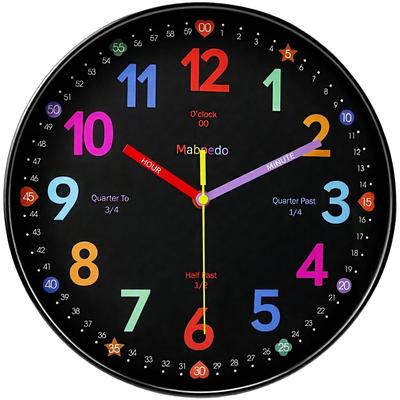
Perfect Picks Market Kids Learning Clock Silent Analog Teaching Wall Clock For Classroom & Bedroom Inch black 10 InchTransform learning into an exciting daily adventure with this Kids learning clock designed to help children master time with confidence. Featuring colorful numbers, clearly marked hands, and an easytoread analog display, it's perfect for young...69,97 $*Shipping: 0,00 $Secure redirect to the provider
-
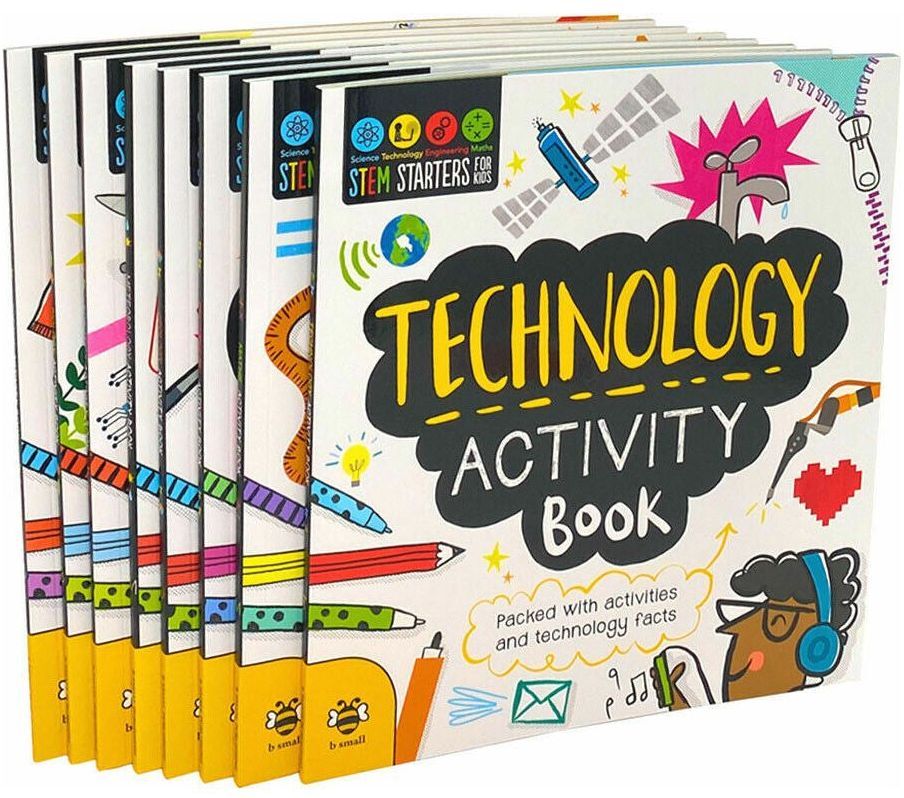
B Small Publishing STEM Educational Activity 8 Books Collection Set STEM Starters for Kids Science, Biology, Maths, Engineering, Meteorology for Early LearnersInspire curiosity and a love of learning with the STEM Educational Activity 8 Books Set, specially designed to introduce children to key STEM subjects through fun, hands-on activities. This engaging STEM Starters for Kids collection covers essential topics such as Maths, Engineering, Meteorology, and core scientific concepts, helping young learners build problem-solving skills, logical thinking, and creativity. Each book features age-appropriate explanations, interactive exercises, and simple activities that make complex ideas easy to understand. Ideal for home learning, classrooms, homeschooling, and after-school enrichment, this 8-book set supports early educational development while keeping children motivated and confident in STEM subjects. Why Parents & Educators Love This Set: 8 educational STEM activity books in one collection Introduces Maths, Engineering, Meteorology & Science Encourages critical thinking and problem-solving Hands-on activities that make learning fun Suitable for ages 5–10 Perfect for home, school, or gift giving A strong foundation for future learning, the STEM Educational Activity 8 Books Set helps children explore how the world works while developing essential academic and life skills. Science Activity Book In this particular title, little scientists will love the mix of non-fiction and activities in this educational book full of BIG ideas.Fun games and puzzles teach boys and girls about smells and taste buds, the power of magnetism, how sound travels and the different types of energy that fuel our lives and our world. Biology Activity Book Fun games and puzzles teach boys and girls about biology, plants, biomes, ecology, nature, digestion and the human body. Robotics Activity Book Fun games and puzzles teach boys and girls about robotics, automation, programming and engineering. Start a lifelong passion for STEM subjects. Meteorology Fun games and puzzles teach boys and girls about climates, the power of storms, how rain happens and the different ways of measuring the weather. Geology Fun games and puzzles teach boys and girls about rocks and fossils, the power of volcanoes, how earthquakes happen and the origin of the oil that fuels our lives and our world. Engineering Activity Book Fun games and puzzles teach boys and girls about structures that use science and technology to improve our lives. Engineering is what brings machines to life. Technology Activity Book Fun games and puzzles teach boys and girls about digital developments like mobile phones and the internet to more old-fashioned inventions like zips and door hinges. Maths Activity Book Fun games and puzzles teach boys and girls how to solve problems using addition, subtraction, multiplication and division.Maths is a huge part of science, technology and engineering.12,99 £*Shipping: 2,99 £Secure redirect to the provider
-
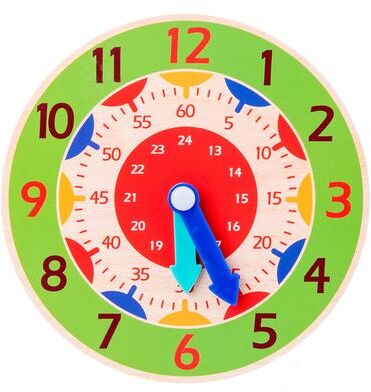
JoyToys Montessori Wooden Learning Clock Time Teaching Puzzle For Kids Montessori Wooden Learning Clock Time Teaching Puzzle For KidsLearn through play with our wooden learning clock, designed to help children confidently understand time while developing essential early learning skills. This engaging Montessori clock combines handson puzzle play with interactive time practice,...29,97 $*Shipping: 0,00 $Secure redirect to the provider
-
Usborne Beginners Science Series – 10 Book Classroom Set Primary School STEM & Nonfiction Learning Books (Includes Earthquakes & Tsunamis)Inspire curiosity and a love of learning with the Usborne Beginners Science Series – 10 Books Collection Set, created by Usborne. This engaging educational collection introduces young readers to fascinating science topics through clear explanations, vivid illustrations, and easy-to-read text. Covering subjects such as Earthquakes and Tsunamis, nature, space, and the world around us, these books make complex ideas accessible and exciting. Designed for independent readers and classroom use, the Usborne Beginners series supports early STEM learning, reading confidence, and general knowledge development. Why Parents & Teachers Love This Collection: 10 engaging science books for children Covers key topics including Earthquakes & Tsunamis Easy-to-read format ideal for beginners Bright illustrations and simple explanations Perfect for ages 6–10 and early learners A fantastic introduction to science, the Usborne Beginners Collection helps children explore, question, and understand the world around them. Earthquakes and Tsunamis This is a fantastic addition to the popular Beginners series, providing an informative introduction to the fascinating world of earthquakes for young readers. There are clear explanations of the science behind different types of earthquakes and their effects, including tsunamis and landslides. This title features real-life earthquakes, and describes how people are kept safe and rescued when disaster strikes. Striking colour photographs and step-by-step illustrations engage readers with the subject matter. This title is developed with a reading expert from Roehampton University to help young readers grow in confidence. Sun Moon and Stars What is the Sun made of? How did astronauts get to the Moon and what did they find there? For children beginning to read on their own, this book is an exciting introduction to space. Includes vivid, full colour illustrations and photographs on every page, and easy-to-read text specially written with the help of a reading expert Living in Space How do astronauts travel into space? Where do they live when they get there? What do they do all day? In this book you'll find the answers and lots more amazing facts about living in space. This non-fiction series aims to encourage children to access the wonder of the world around them. The easy-to-read text has been specially written with the help of a reading expert Storms and Hurricanes How do astronauts travel into space? Where do they live when they get there? What do they do all day? In this book you'll find the answers and lots more amazing facts about living in space. This non-fiction series aims to encourage children to access the wonder of the world around them. The easy-to-read text has been specially written with the help of a reading expert Volcanoes An introduction to earthquakes and volcanoes. The sensational images combine with lively text, amazing facts, diagrams and a comprehensive glossary Astronomy A straightforward book telling...17,99 £*Shipping: 2,99 £Secure redirect to the provider
-
What are terms from meteorology?
Terms from meteorology include precipitation, which refers to any form of water, liquid or solid, that falls from the atmosphere; humidity, which is the amount of water vapor in the air; and atmospheric pressure, which is the force exerted by the weight of the air above a given point. Other terms include temperature, wind speed, cloud cover, and visibility, all of which are important factors in understanding and predicting weather patterns. **
-
What are terms in meteorology?
In meteorology, terms refer to specific concepts, variables, or measurements used to describe and analyze weather phenomena. These terms help meteorologists communicate effectively and accurately when discussing weather conditions, forecasts, and climate patterns. Examples of terms in meteorology include temperature, humidity, pressure, wind speed, and precipitation. Understanding and using these terms correctly is essential for meteorologists to interpret data, make predictions, and communicate weather information to the public. **
-
How can one study meteorology?
One can study meteorology by pursuing a degree in atmospheric science, meteorology, or a related field at a college or university. This typically involves taking courses in physics, chemistry, calculus, and atmospheric science. Additionally, gaining hands-on experience through internships or research opportunities can provide valuable practical skills and knowledge. Many meteorologists also pursue certification through the American Meteorological Society to further demonstrate their expertise in the field. **
-
Which books are suitable for studying meteorology?
Books suitable for studying meteorology include "Meteorology Today" by C. Donald Ahrens, "Atmosphere, Weather and Climate" by Roger G. Barry and Richard J. Chorley, and "Practical Meteorology: An Algebra-based Survey of Atmospheric Science" by Roland Stull. These books cover a wide range of topics in meteorology, including atmospheric dynamics, weather patterns, and climate science. They are suitable for students and professionals looking to gain a comprehensive understanding of meteorology and its applications. **
Similar search terms for Meteorology
-
Scholastic Teaching Resources Sight Word Readers Classroom Box SetJumpstart reading success with this irresistible collection of 125 little books that introduce and reinforce the first 50 must-know sight words! Each set includes a sturdy storage box stocked with 5 copies of 25 delightful tales—each presenting two...101,99 $*Shipping: 0,00 $Secure redirect to the provider
-
Market Central Felt Finger Numbers Math Toy Toddler Counting Early Education Learning Game Felt Finger Numbers Math Toy Toddler Counting Early Education Learning GameThis toddler Montessori felt math toy provides an interactive way for young children to learn basic numbers and early counting skills. Designed to build foundational math skills through handson play, it helps develop early childhood intelligence and...34,97 $*Shipping: 0,00 $Secure redirect to the provider
-
Tiny Tots Teens Trends Kids Montessori Wooden Clock Toy, Time Learning Teaching Aids, Educational For Children, Primary School Clever Board Toy greenIntroducing the Kids Montessori Wooden Clock Toy, a perfect educational tool that teaches children how to understand time while developing essential motor skills. This beautifully crafted clock toy is made from natural and sustainable solid wood,...29,97 $*Shipping: 0,00 $Secure redirect to the provider
-
Perfect Picks Market Kids Learning Clock Silent Analog Teaching Wall Clock For Classroom & Bedroom Inch white 10 InchTransform learning into an exciting daily adventure with this Kids learning clock designed to help children master time with confidence. Featuring colorful numbers, clearly marked hands, and an easytoread analog display, it's perfect for young...69,97 $*Shipping: 0,00 $Secure redirect to the provider
-
When is summer really, meteorology vs. astronomy?
Summer is defined differently in meteorology and astronomy. In meteorology, summer is considered to be the warmest season of the year, typically spanning from June 1st to August 31st in the Northern Hemisphere. In contrast, astronomy defines summer based on the position of the Earth in its orbit around the Sun, marking the summer solstice as the official start of summer, which usually falls around June 21st in the Northern Hemisphere. This means that meteorological summer starts earlier than astronomical summer. **
-
What is the difference between weather, climate, and meteorology?
Weather refers to the short-term atmospheric conditions in a specific area, such as temperature, precipitation, and wind. Climate, on the other hand, refers to the long-term patterns of weather in a particular region, including average temperature, precipitation, and other atmospheric conditions. Meteorology is the scientific study of the atmosphere, including the processes that cause weather and climate patterns. It involves the observation, analysis, and forecasting of weather and climate phenomena. **
-
Do you have to study meteorology to become a weather forecaster?
While studying meteorology can be beneficial for becoming a weather forecaster, it is not always a requirement. Many weather forecasters have degrees in related fields such as atmospheric science, environmental science, or geography. Some forecasters gain experience through on-the-job training or internships. Ultimately, a combination of education, experience, and skills in interpreting weather data is essential for a successful career as a weather forecaster. **
-
Do you have to study meteorology to become a weather presenter?
While studying meteorology can certainly be beneficial for a career as a weather presenter, it is not always a requirement. Many weather presenters have a background in meteorology or a related field, but others may have a degree in journalism, communications, or a similar area of study. Ultimately, what is most important is having a strong understanding of weather patterns, the ability to interpret and communicate complex weather data, and excellent presentation skills. Some weather presenters may also receive on-the-job training or pursue certifications in broadcast meteorology. **
* All prices are inclusive of VAT and, if applicable, plus shipping costs. The offer information is based on the details provided by the respective shop and is updated through automated processes. Real-time updates do not occur, so deviations can occur in individual cases. ** Note: Parts of this content were created by AI.