Buy school-tool.com ?
We are moving the project
school-tool.com .
Are you interested in purchasing the domain
school-tool.com ?
domain@kv-gmbh.de · 0541-91531010
Buy school-tool.com ?
What is the periodic table for school?
The periodic table for school is a chart that organizes all the known elements based on their atomic number, electron configuration, and recurring chemical properties. It is a fundamental tool in chemistry and is used to teach students about the properties and relationships of different elements. The periodic table helps students understand the organization of elements and their characteristics, which is essential for learning about chemical bonding, reactions, and the behavior of different substances. **
According to which principles of organization was the periodic table of elements developed?
The periodic table of elements was developed based on the principles of atomic number and chemical properties. Elements were arranged in order of increasing atomic number, which is the number of protons in the nucleus of an atom. Elements with similar chemical properties were grouped together in columns called groups or families. This organization allowed scientists to predict the properties of undiscovered elements and understand the relationships between different elements. **

Similar search terms for Periodic
Top-Angebote
Products related to Periodic:
-
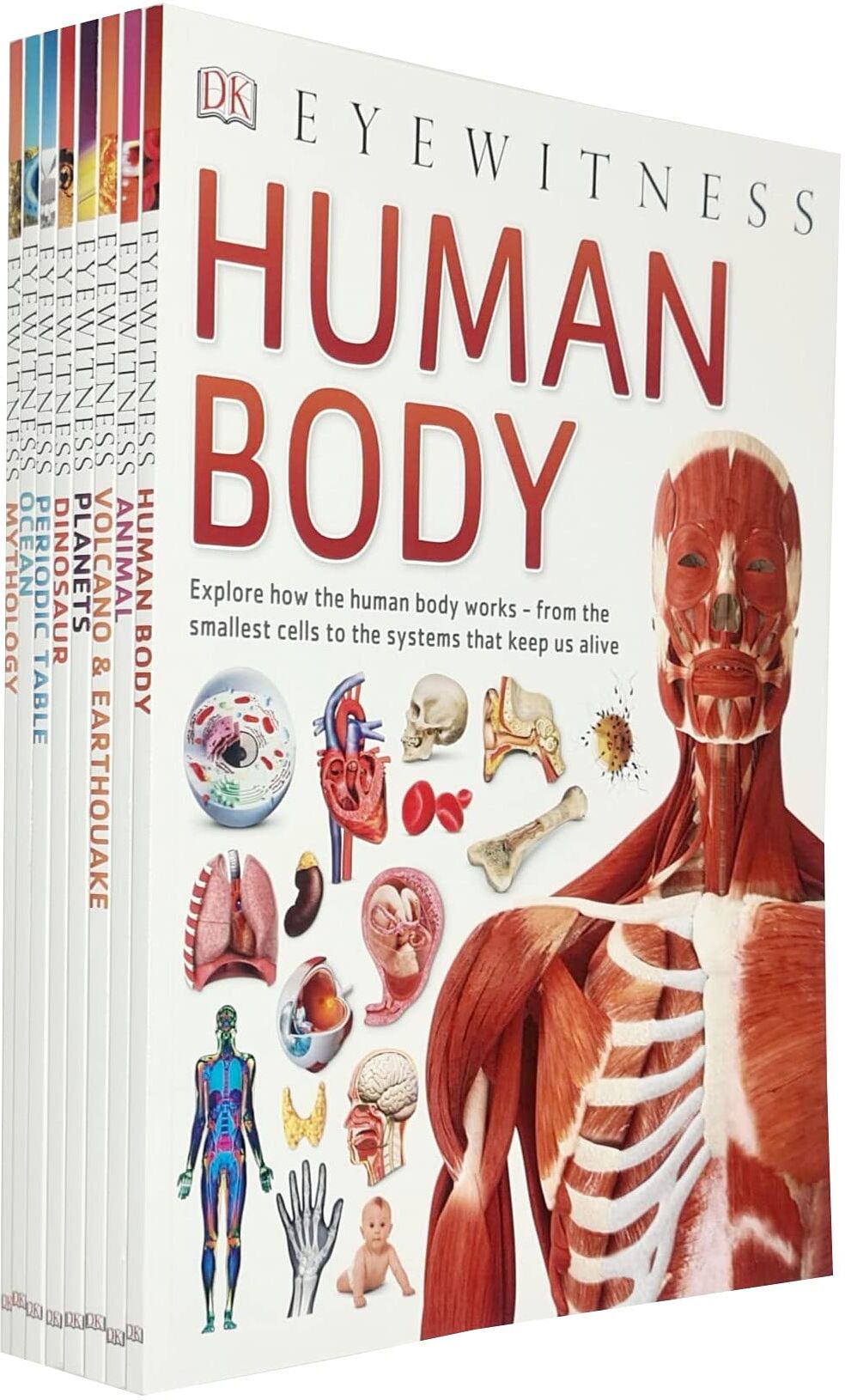
DK Children DK Eyewitness 8 Books Collection Set - Human Body, Ocean, Volcano & Earthquake, Animal, Planets, Periodic Table, Dinosaurs, Mythology - Ages 8-12Discover the DK Eyewitness 8 Books Collection Set, a comprehensive bundle of eight bestselling titles from DK's iconic Eyewitness nonfiction series. This set covers a wide range of subjects, including the human body, the ocean, natural disasters, animals, space, chemistry, dinosaurs, and world mythology. Each title features striking full-colour images paired with concise, fact-rich text, making it an ideal educational resource for home libraries, classrooms, and curious young readers aged 8 to 12 who love learning about the world around them. The DK Eyewitness 8 Books Collection Set is a great way to encourage a love of reading and learning in children, with its engaging and accessible format.18,99 £*Shipping: 2,99 £Secure redirect to the provider
-
Usborne Beginners Science Series – 10 Book Classroom Set Primary School STEM & Nonfiction Learning Books (Includes Earthquakes & Tsunamis)Inspire curiosity and a love of learning with the Usborne Beginners Science Series – 10 Books Collection Set, created by Usborne. This engaging educational collection introduces young readers to fascinating science topics through clear explanations, vivid illustrations, and easy-to-read text. Covering subjects such as Earthquakes and Tsunamis, nature, space, and the world around us, these books make complex ideas accessible and exciting. Designed for independent readers and classroom use, the Usborne Beginners series supports early STEM learning, reading confidence, and general knowledge development. Why Parents & Teachers Love This Collection: 10 engaging science books for children Covers key topics including Earthquakes & Tsunamis Easy-to-read format ideal for beginners Bright illustrations and simple explanations Perfect for ages 6–10 and early learners A fantastic introduction to science, the Usborne Beginners Collection helps children explore, question, and understand the world around them. Earthquakes and Tsunamis This is a fantastic addition to the popular Beginners series, providing an informative introduction to the fascinating world of earthquakes for young readers. There are clear explanations of the science behind different types of earthquakes and their effects, including tsunamis and landslides. This title features real-life earthquakes, and describes how people are kept safe and rescued when disaster strikes. Striking colour photographs and step-by-step illustrations engage readers with the subject matter. This title is developed with a reading expert from Roehampton University to help young readers grow in confidence. Sun Moon and Stars What is the Sun made of? How did astronauts get to the Moon and what did they find there? For children beginning to read on their own, this book is an exciting introduction to space. Includes vivid, full colour illustrations and photographs on every page, and easy-to-read text specially written with the help of a reading expert Living in Space How do astronauts travel into space? Where do they live when they get there? What do they do all day? In this book you'll find the answers and lots more amazing facts about living in space. This non-fiction series aims to encourage children to access the wonder of the world around them. The easy-to-read text has been specially written with the help of a reading expert Storms and Hurricanes How do astronauts travel into space? Where do they live when they get there? What do they do all day? In this book you'll find the answers and lots more amazing facts about living in space. This non-fiction series aims to encourage children to access the wonder of the world around them. The easy-to-read text has been specially written with the help of a reading expert Volcanoes An introduction to earthquakes and volcanoes. The sensational images combine with lively text, amazing facts, diagrams and a comprehensive glossary Astronomy A straightforward book telling...17,99 £*Shipping: 2,99 £Secure redirect to the provider
-
JoyToys Montessori Wooden Learning Clock Time Teaching Puzzle For Kids Montessori Wooden Learning Clock Time Teaching Puzzle For KidsLearn through play with our wooden learning clock, designed to help children confidently understand time while developing essential early learning skills. This engaging Montessori clock combines handson puzzle play with interactive time practice,...29,97 $*Shipping: 0,00 $Secure redirect to the provider
-
Scholastic Teaching Resources Sight Word Readers Classroom Box SetJumpstart reading success with this irresistible collection of 125 little books that introduce and reinforce the first 50 must-know sight words! Each set includes a sturdy storage box stocked with 5 copies of 25 delightful tales—each presenting two...101,99 $*Shipping: 0,00 $Secure redirect to the provider


-
Is every periodic sequence divergent?
No, not every periodic sequence is divergent. A periodic sequence is a sequence that repeats after a certain number of terms. If the terms in the sequence approach a specific value as the sequence continues, then the sequence is convergent. However, if the terms in the sequence do not approach a specific value and instead diverge, then the sequence is divergent. **
-
What is a periodic flow?
A periodic flow is a type of fluid motion where the velocity and other flow properties at any given point in the flow field vary in a regular and repeating manner over time. This means that the flow pattern at a specific location will repeat itself after a certain time interval. Periodic flows are commonly observed in many natural and engineered systems, such as ocean currents, wind patterns, and oscillating heat exchangers. Understanding periodic flows is important for predicting and analyzing the behavior of these systems. **
-
What is the periodic table?
The periodic table is a tabular arrangement of all known chemical elements, organized by their atomic number, electron configuration, and recurring chemical properties. It is a fundamental tool in chemistry that allows scientists to predict the behavior of elements and their compounds. The table is divided into rows called periods and columns called groups, with elements in the same group sharing similar characteristics. The periodic table is constantly updated as new elements are discovered and our understanding of chemistry evolves. **
-
Which periodic table is better?
There is no definitive answer to which periodic table is better as both the Mendeleev periodic table and the modern periodic table have their own strengths and weaknesses. The Mendeleev periodic table is credited with predicting the properties of undiscovered elements and organizing elements based on their atomic mass. On the other hand, the modern periodic table arranges elements based on their atomic number, which reflects the number of protons in the nucleus. Ultimately, the choice of which periodic table is better depends on the context in which it is being used and personal preference. **

Are decimal numbers eventually periodic?
Yes, decimal numbers can be eventually periodic. This means that after a certain point, the decimal digits of the number repeat in a pattern. For example, 1/3 in decimal form is 0.3333..., where the digit 3 repeats indefinitely. However, not all decimal numbers are eventually periodic, as some may have non-repeating and non-terminating decimal expansions, such as the number π. **
Is this a periodic process?
Yes, the process described is a periodic process. It involves a series of repeated steps or actions that occur at regular intervals. The process follows a predictable pattern and can be observed over time. This periodicity allows for the process to be analyzed, optimized, and potentially automated for efficiency. **
Top-Angebote
Products related to Periodic:
-
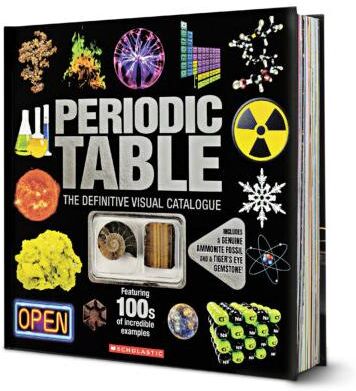
Scholastic Periodic Table w/Fossil & Ammonite GemLooking at the periodic table can be a bit daunting...how can you possibly remember what 118 different elements do? Featuring eye-popping photography and an enormous wealth of cool facts, this is the only book you'll need to help you learn about the...24,99 $*Shipping: 0,00 $Secure redirect to the provider
-
Perfect Picks Market Kids Learning Clock Silent Analog Teaching Wall Clock For Classroom & Bedroom Inch white 10 InchTransform learning into an exciting daily adventure with this Kids learning clock designed to help children master time with confidence. Featuring colorful numbers, clearly marked hands, and an easytoread analog display, it's perfect for young...69,97 $*Shipping: 0,00 $Secure redirect to the provider
-
DK Children DK Eyewitness 8 Books Collection Set - Human Body, Ocean, Volcano & Earthquake, Animal, Planets, Periodic Table, Dinosaurs, Mythology - Ages 8-12Discover the DK Eyewitness 8 Books Collection Set, a comprehensive bundle of eight bestselling titles from DK's iconic Eyewitness nonfiction series. This set covers a wide range of subjects, including the human body, the ocean, natural disasters, animals, space, chemistry, dinosaurs, and world mythology. Each title features striking full-colour images paired with concise, fact-rich text, making it an ideal educational resource for home libraries, classrooms, and curious young readers aged 8 to 12 who love learning about the world around them. The DK Eyewitness 8 Books Collection Set is a great way to encourage a love of reading and learning in children, with its engaging and accessible format.18,99 £*Shipping: 2,99 £Secure redirect to the provider
-
Usborne Beginners Science Series – 10 Book Classroom Set Primary School STEM & Nonfiction Learning Books (Includes Earthquakes & Tsunamis)Inspire curiosity and a love of learning with the Usborne Beginners Science Series – 10 Books Collection Set, created by Usborne. This engaging educational collection introduces young readers to fascinating science topics through clear explanations, vivid illustrations, and easy-to-read text. Covering subjects such as Earthquakes and Tsunamis, nature, space, and the world around us, these books make complex ideas accessible and exciting. Designed for independent readers and classroom use, the Usborne Beginners series supports early STEM learning, reading confidence, and general knowledge development. Why Parents & Teachers Love This Collection: 10 engaging science books for children Covers key topics including Earthquakes & Tsunamis Easy-to-read format ideal for beginners Bright illustrations and simple explanations Perfect for ages 6–10 and early learners A fantastic introduction to science, the Usborne Beginners Collection helps children explore, question, and understand the world around them. Earthquakes and Tsunamis This is a fantastic addition to the popular Beginners series, providing an informative introduction to the fascinating world of earthquakes for young readers. There are clear explanations of the science behind different types of earthquakes and their effects, including tsunamis and landslides. This title features real-life earthquakes, and describes how people are kept safe and rescued when disaster strikes. Striking colour photographs and step-by-step illustrations engage readers with the subject matter. This title is developed with a reading expert from Roehampton University to help young readers grow in confidence. Sun Moon and Stars What is the Sun made of? How did astronauts get to the Moon and what did they find there? For children beginning to read on their own, this book is an exciting introduction to space. Includes vivid, full colour illustrations and photographs on every page, and easy-to-read text specially written with the help of a reading expert Living in Space How do astronauts travel into space? Where do they live when they get there? What do they do all day? In this book you'll find the answers and lots more amazing facts about living in space. This non-fiction series aims to encourage children to access the wonder of the world around them. The easy-to-read text has been specially written with the help of a reading expert Storms and Hurricanes How do astronauts travel into space? Where do they live when they get there? What do they do all day? In this book you'll find the answers and lots more amazing facts about living in space. This non-fiction series aims to encourage children to access the wonder of the world around them. The easy-to-read text has been specially written with the help of a reading expert Volcanoes An introduction to earthquakes and volcanoes. The sensational images combine with lively text, amazing facts, diagrams and a comprehensive glossary Astronomy A straightforward book telling...17,99 £*Shipping: 2,99 £Secure redirect to the provider
-
What is the periodic table for school?
The periodic table for school is a chart that organizes all the known elements based on their atomic number, electron configuration, and recurring chemical properties. It is a fundamental tool in chemistry and is used to teach students about the properties and relationships of different elements. The periodic table helps students understand the organization of elements and their characteristics, which is essential for learning about chemical bonding, reactions, and the behavior of different substances. **
-
According to which principles of organization was the periodic table of elements developed?
The periodic table of elements was developed based on the principles of atomic number and chemical properties. Elements were arranged in order of increasing atomic number, which is the number of protons in the nucleus of an atom. Elements with similar chemical properties were grouped together in columns called groups or families. This organization allowed scientists to predict the properties of undiscovered elements and understand the relationships between different elements. **
-
Is every periodic sequence divergent?
No, not every periodic sequence is divergent. A periodic sequence is a sequence that repeats after a certain number of terms. If the terms in the sequence approach a specific value as the sequence continues, then the sequence is convergent. However, if the terms in the sequence do not approach a specific value and instead diverge, then the sequence is divergent. **
-
What is a periodic flow?
A periodic flow is a type of fluid motion where the velocity and other flow properties at any given point in the flow field vary in a regular and repeating manner over time. This means that the flow pattern at a specific location will repeat itself after a certain time interval. Periodic flows are commonly observed in many natural and engineered systems, such as ocean currents, wind patterns, and oscillating heat exchangers. Understanding periodic flows is important for predicting and analyzing the behavior of these systems. **
Similar search terms for Periodic
-
JoyToys Montessori Wooden Learning Clock Time Teaching Puzzle For Kids Montessori Wooden Learning Clock Time Teaching Puzzle For KidsLearn through play with our wooden learning clock, designed to help children confidently understand time while developing essential early learning skills. This engaging Montessori clock combines handson puzzle play with interactive time practice,...29,97 $*Shipping: 0,00 $Secure redirect to the provider
-
Scholastic Teaching Resources Sight Word Readers Classroom Box SetJumpstart reading success with this irresistible collection of 125 little books that introduce and reinforce the first 50 must-know sight words! Each set includes a sturdy storage box stocked with 5 copies of 25 delightful tales—each presenting two...101,99 $*Shipping: 0,00 $Secure redirect to the provider
-
Market Central Felt Finger Numbers Math Toy Toddler Counting Early Education Learning Game Felt Finger Numbers Math Toy Toddler Counting Early Education Learning GameThis toddler Montessori felt math toy provides an interactive way for young children to learn basic numbers and early counting skills. Designed to build foundational math skills through handson play, it helps develop early childhood intelligence and...34,97 $*Shipping: 0,00 $Secure redirect to the provider
-
Perfect Picks Market Kids Learning Clock Silent Analog Teaching Wall Clock For Classroom & Bedroom Inch black 10 InchTransform learning into an exciting daily adventure with this Kids learning clock designed to help children master time with confidence. Featuring colorful numbers, clearly marked hands, and an easytoread analog display, it's perfect for young...69,97 $*Shipping: 0,00 $Secure redirect to the provider
-
What is the periodic table?
The periodic table is a tabular arrangement of all known chemical elements, organized by their atomic number, electron configuration, and recurring chemical properties. It is a fundamental tool in chemistry that allows scientists to predict the behavior of elements and their compounds. The table is divided into rows called periods and columns called groups, with elements in the same group sharing similar characteristics. The periodic table is constantly updated as new elements are discovered and our understanding of chemistry evolves. **
-
Which periodic table is better?
There is no definitive answer to which periodic table is better as both the Mendeleev periodic table and the modern periodic table have their own strengths and weaknesses. The Mendeleev periodic table is credited with predicting the properties of undiscovered elements and organizing elements based on their atomic mass. On the other hand, the modern periodic table arranges elements based on their atomic number, which reflects the number of protons in the nucleus. Ultimately, the choice of which periodic table is better depends on the context in which it is being used and personal preference. **
-
Are decimal numbers eventually periodic?
Yes, decimal numbers can be eventually periodic. This means that after a certain point, the decimal digits of the number repeat in a pattern. For example, 1/3 in decimal form is 0.3333..., where the digit 3 repeats indefinitely. However, not all decimal numbers are eventually periodic, as some may have non-repeating and non-terminating decimal expansions, such as the number π. **
-
Is this a periodic process?
Yes, the process described is a periodic process. It involves a series of repeated steps or actions that occur at regular intervals. The process follows a predictable pattern and can be observed over time. This periodicity allows for the process to be analyzed, optimized, and potentially automated for efficiency. **
* All prices are inclusive of VAT and, if applicable, plus shipping costs. The offer information is based on the details provided by the respective shop and is updated through automated processes. Real-time updates do not occur, so deviations can occur in individual cases. ** Note: Parts of this content were created by AI.