Buy school-tool.com ?
We are moving the project
school-tool.com .
Are you interested in purchasing the domain
school-tool.com ?
domain@kv-gmbh.de · 0541-91531010
Buy school-tool.com ?
What is a jet propulsion?
Jet propulsion is a method of creating thrust by expelling a high-velocity jet of fluid or gas in the opposite direction of the desired movement. This principle is commonly used in jet engines, where air is compressed and mixed with fuel before being ignited to produce a high-speed exhaust jet. The reaction force from the jet propels the engine and the aircraft forward. Jet propulsion is widely used in aviation, as well as in marine and rocket propulsion systems. **
Are there airplanes with nuclear propulsion?
No, there are currently no airplanes with nuclear propulsion. While nuclear propulsion has been explored for use in spacecraft and submarines, the technology is not currently used in commercial or military aircraft due to safety concerns and regulatory restrictions. The complexity and potential risks associated with nuclear propulsion make it unlikely to be implemented in airplanes in the near future. **


Similar search terms for Propulsion
Top-Angebote
Products related to Propulsion:
-
Usborne Beginners Science Series – 10 Book Classroom Set Primary School STEM & Nonfiction Learning Books (Includes Earthquakes & Tsunamis)Inspire curiosity and a love of learning with the Usborne Beginners Science Series – 10 Books Collection Set, created by Usborne. This engaging educational collection introduces young readers to fascinating science topics through clear explanations, vivid illustrations, and easy-to-read text. Covering subjects such as Earthquakes and Tsunamis, nature, space, and the world around us, these books make complex ideas accessible and exciting. Designed for independent readers and classroom use, the Usborne Beginners series supports early STEM learning, reading confidence, and general knowledge development. Why Parents & Teachers Love This Collection: 10 engaging science books for children Covers key topics including Earthquakes & Tsunamis Easy-to-read format ideal for beginners Bright illustrations and simple explanations Perfect for ages 6–10 and early learners A fantastic introduction to science, the Usborne Beginners Collection helps children explore, question, and understand the world around them. Earthquakes and Tsunamis This is a fantastic addition to the popular Beginners series, providing an informative introduction to the fascinating world of earthquakes for young readers. There are clear explanations of the science behind different types of earthquakes and their effects, including tsunamis and landslides. This title features real-life earthquakes, and describes how people are kept safe and rescued when disaster strikes. Striking colour photographs and step-by-step illustrations engage readers with the subject matter. This title is developed with a reading expert from Roehampton University to help young readers grow in confidence. Sun Moon and Stars What is the Sun made of? How did astronauts get to the Moon and what did they find there? For children beginning to read on their own, this book is an exciting introduction to space. Includes vivid, full colour illustrations and photographs on every page, and easy-to-read text specially written with the help of a reading expert Living in Space How do astronauts travel into space? Where do they live when they get there? What do they do all day? In this book you'll find the answers and lots more amazing facts about living in space. This non-fiction series aims to encourage children to access the wonder of the world around them. The easy-to-read text has been specially written with the help of a reading expert Storms and Hurricanes How do astronauts travel into space? Where do they live when they get there? What do they do all day? In this book you'll find the answers and lots more amazing facts about living in space. This non-fiction series aims to encourage children to access the wonder of the world around them. The easy-to-read text has been specially written with the help of a reading expert Volcanoes An introduction to earthquakes and volcanoes. The sensational images combine with lively text, amazing facts, diagrams and a comprehensive glossary Astronomy A straightforward book telling...17,99 £*Shipping: 2,99 £Secure redirect to the provider
-
Scholastic Teaching Resources Sight Word Readers Classroom Box SetJumpstart reading success with this irresistible collection of 125 little books that introduce and reinforce the first 50 must-know sight words! Each set includes a sturdy storage box stocked with 5 copies of 25 delightful tales—each presenting two...101,99 $*Shipping: 0,00 $Secure redirect to the provider
-
Market Central Felt Finger Numbers Math Toy Toddler Counting Early Education Learning Game Felt Finger Numbers Math Toy Toddler Counting Early Education Learning GameThis toddler Montessori felt math toy provides an interactive way for young children to learn basic numbers and early counting skills. Designed to build foundational math skills through handson play, it helps develop early childhood intelligence and...34,97 $*Shipping: 0,00 $Secure redirect to the provider
-
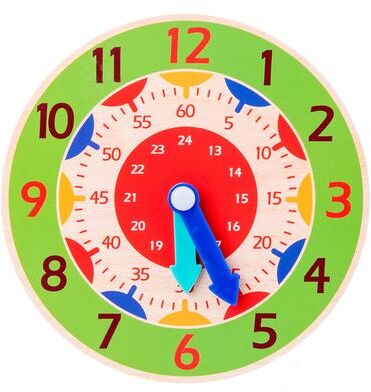
Tiny Tots Teens Trends Kids Montessori Wooden Clock Toy, Time Learning Teaching Aids, Educational For Children, Primary School Clever Board Toy greenIntroducing the Kids Montessori Wooden Clock Toy, a perfect educational tool that teaches children how to understand time while developing essential motor skills. This beautifully crafted clock toy is made from natural and sustainable solid wood,...29,97 $*Shipping: 0,00 $Secure redirect to the provider


-
What is a rocket propulsion system?
A rocket propulsion system is a method of generating thrust to propel a rocket into space. It typically involves the combustion of propellant, such as liquid or solid fuel, to produce high-speed exhaust gases that create a reaction force in the opposite direction, according to Newton's third law of motion. There are different types of rocket propulsion systems, including chemical rockets, electric propulsion, and nuclear propulsion, each with its own advantages and limitations. Rocket propulsion systems are essential for space exploration, satellite deployment, and interplanetary travel. **
-
What propulsion system could UFOs have?
UFOs could potentially have advanced propulsion systems such as anti-gravity technology, electromagnetic propulsion, or even warp drives. These systems would allow them to achieve incredible speeds and maneuverability, as reported by many eyewitness accounts. While the exact nature of UFO propulsion systems remains a mystery, it is widely believed that they would have to be highly advanced and beyond our current understanding of physics. **
-
Is it possible to use a propulsion system like the photon drive and magnetic field as propulsion?
While the concept of using a propulsion system like the photon drive and magnetic field for propulsion is theoretically possible, it is currently not a practical or feasible method for spacecraft propulsion. The photon drive relies on the momentum of photons for thrust, which is very small and would require a massive amount of energy to generate significant acceleration. Additionally, the use of magnetic fields for propulsion, such as in magnetic sails, is still in the experimental stages and faces challenges in terms of scalability and efficiency. Research and development in these areas are ongoing, but more advancements are needed before these propulsion systems can be effectively used in space missions. **
-
What is the smallest atomic propulsion system?
The smallest atomic propulsion system is the radioisotope thermoelectric generator (RTG). RTGs use the heat produced by the decay of radioactive isotopes, such as plutonium-238, to generate electricity. This electricity can then be used to power small spacecraft and satellites, providing a long-lasting and reliable source of energy for deep space missions. RTGs have been used in numerous space missions, including the Voyager and Cassini spacecraft. **

Which type of propulsion would you choose?
I would choose electric propulsion for its environmental benefits and efficiency. Electric propulsion produces zero emissions, reducing the environmental impact of the vehicle. It also requires less maintenance and has lower operating costs compared to traditional combustion engines. Additionally, electric propulsion provides smooth and quiet operation, enhancing the overall experience for passengers. **
Why do ships use diesel as propulsion?
Ships use diesel as propulsion because diesel engines are known for their efficiency, reliability, and power. Diesel engines are able to generate a high amount of torque, making them well-suited for powering large vessels through water. Additionally, diesel fuel is widely available around the world, making it a convenient choice for long-distance travel. Overall, diesel propulsion offers a cost-effective and practical solution for powering ships across various types of water bodies. **
Top-Angebote
Products related to Propulsion:
-
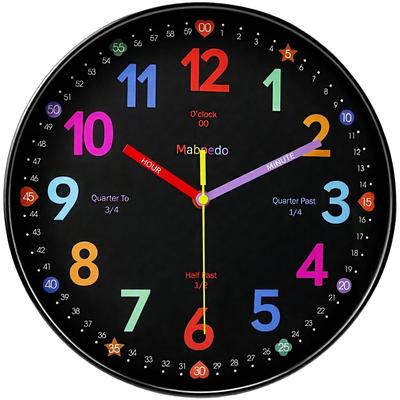
Perfect Picks Market Kids Learning Clock Silent Analog Teaching Wall Clock For Classroom & Bedroom Inch white 10 InchTransform learning into an exciting daily adventure with this Kids learning clock designed to help children master time with confidence. Featuring colorful numbers, clearly marked hands, and an easytoread analog display, it's perfect for young...69,97 $*Shipping: 0,00 $Secure redirect to the provider
-
JoyToys Montessori Wooden Learning Clock Time Teaching Puzzle For Kids Montessori Wooden Learning Clock Time Teaching Puzzle For KidsLearn through play with our wooden learning clock, designed to help children confidently understand time while developing essential early learning skills. This engaging Montessori clock combines handson puzzle play with interactive time practice,...29,97 $*Shipping: 0,00 $Secure redirect to the provider
-
Usborne Beginners Science Series – 10 Book Classroom Set Primary School STEM & Nonfiction Learning Books (Includes Earthquakes & Tsunamis)Inspire curiosity and a love of learning with the Usborne Beginners Science Series – 10 Books Collection Set, created by Usborne. This engaging educational collection introduces young readers to fascinating science topics through clear explanations, vivid illustrations, and easy-to-read text. Covering subjects such as Earthquakes and Tsunamis, nature, space, and the world around us, these books make complex ideas accessible and exciting. Designed for independent readers and classroom use, the Usborne Beginners series supports early STEM learning, reading confidence, and general knowledge development. Why Parents & Teachers Love This Collection: 10 engaging science books for children Covers key topics including Earthquakes & Tsunamis Easy-to-read format ideal for beginners Bright illustrations and simple explanations Perfect for ages 6–10 and early learners A fantastic introduction to science, the Usborne Beginners Collection helps children explore, question, and understand the world around them. Earthquakes and Tsunamis This is a fantastic addition to the popular Beginners series, providing an informative introduction to the fascinating world of earthquakes for young readers. There are clear explanations of the science behind different types of earthquakes and their effects, including tsunamis and landslides. This title features real-life earthquakes, and describes how people are kept safe and rescued when disaster strikes. Striking colour photographs and step-by-step illustrations engage readers with the subject matter. This title is developed with a reading expert from Roehampton University to help young readers grow in confidence. Sun Moon and Stars What is the Sun made of? How did astronauts get to the Moon and what did they find there? For children beginning to read on their own, this book is an exciting introduction to space. Includes vivid, full colour illustrations and photographs on every page, and easy-to-read text specially written with the help of a reading expert Living in Space How do astronauts travel into space? Where do they live when they get there? What do they do all day? In this book you'll find the answers and lots more amazing facts about living in space. This non-fiction series aims to encourage children to access the wonder of the world around them. The easy-to-read text has been specially written with the help of a reading expert Storms and Hurricanes How do astronauts travel into space? Where do they live when they get there? What do they do all day? In this book you'll find the answers and lots more amazing facts about living in space. This non-fiction series aims to encourage children to access the wonder of the world around them. The easy-to-read text has been specially written with the help of a reading expert Volcanoes An introduction to earthquakes and volcanoes. The sensational images combine with lively text, amazing facts, diagrams and a comprehensive glossary Astronomy A straightforward book telling...17,99 £*Shipping: 2,99 £Secure redirect to the provider
-
Scholastic Teaching Resources Sight Word Readers Classroom Box SetJumpstart reading success with this irresistible collection of 125 little books that introduce and reinforce the first 50 must-know sight words! Each set includes a sturdy storage box stocked with 5 copies of 25 delightful tales—each presenting two...101,99 $*Shipping: 0,00 $Secure redirect to the provider
-
What is a jet propulsion?
Jet propulsion is a method of creating thrust by expelling a high-velocity jet of fluid or gas in the opposite direction of the desired movement. This principle is commonly used in jet engines, where air is compressed and mixed with fuel before being ignited to produce a high-speed exhaust jet. The reaction force from the jet propels the engine and the aircraft forward. Jet propulsion is widely used in aviation, as well as in marine and rocket propulsion systems. **
-
Are there airplanes with nuclear propulsion?
No, there are currently no airplanes with nuclear propulsion. While nuclear propulsion has been explored for use in spacecraft and submarines, the technology is not currently used in commercial or military aircraft due to safety concerns and regulatory restrictions. The complexity and potential risks associated with nuclear propulsion make it unlikely to be implemented in airplanes in the near future. **
-
What is a rocket propulsion system?
A rocket propulsion system is a method of generating thrust to propel a rocket into space. It typically involves the combustion of propellant, such as liquid or solid fuel, to produce high-speed exhaust gases that create a reaction force in the opposite direction, according to Newton's third law of motion. There are different types of rocket propulsion systems, including chemical rockets, electric propulsion, and nuclear propulsion, each with its own advantages and limitations. Rocket propulsion systems are essential for space exploration, satellite deployment, and interplanetary travel. **
-
What propulsion system could UFOs have?
UFOs could potentially have advanced propulsion systems such as anti-gravity technology, electromagnetic propulsion, or even warp drives. These systems would allow them to achieve incredible speeds and maneuverability, as reported by many eyewitness accounts. While the exact nature of UFO propulsion systems remains a mystery, it is widely believed that they would have to be highly advanced and beyond our current understanding of physics. **
Similar search terms for Propulsion
-
Market Central Felt Finger Numbers Math Toy Toddler Counting Early Education Learning Game Felt Finger Numbers Math Toy Toddler Counting Early Education Learning GameThis toddler Montessori felt math toy provides an interactive way for young children to learn basic numbers and early counting skills. Designed to build foundational math skills through handson play, it helps develop early childhood intelligence and...34,97 $*Shipping: 0,00 $Secure redirect to the provider
-
Tiny Tots Teens Trends Kids Montessori Wooden Clock Toy, Time Learning Teaching Aids, Educational For Children, Primary School Clever Board Toy greenIntroducing the Kids Montessori Wooden Clock Toy, a perfect educational tool that teaches children how to understand time while developing essential motor skills. This beautifully crafted clock toy is made from natural and sustainable solid wood,...29,97 $*Shipping: 0,00 $Secure redirect to the provider
-
Perfect Picks Market Kids Learning Clock Silent Analog Teaching Wall Clock For Classroom & Bedroom Inch black 8 InchTransform learning into an exciting daily adventure with this Kids learning clock designed to help children master time with confidence. Featuring colorful numbers, clearly marked hands, and an easytoread analog display, it's perfect for young...54,97 $*Shipping: 0,00 $Secure redirect to the provider
-
Perfect Picks Market Kids Learning Clock Silent Analog Teaching Wall Clock For Classroom & Bedroom Inch black 10 InchTransform learning into an exciting daily adventure with this Kids learning clock designed to help children master time with confidence. Featuring colorful numbers, clearly marked hands, and an easytoread analog display, it's perfect for young...69,97 $*Shipping: 0,00 $Secure redirect to the provider
-
Is it possible to use a propulsion system like the photon drive and magnetic field as propulsion?
While the concept of using a propulsion system like the photon drive and magnetic field for propulsion is theoretically possible, it is currently not a practical or feasible method for spacecraft propulsion. The photon drive relies on the momentum of photons for thrust, which is very small and would require a massive amount of energy to generate significant acceleration. Additionally, the use of magnetic fields for propulsion, such as in magnetic sails, is still in the experimental stages and faces challenges in terms of scalability and efficiency. Research and development in these areas are ongoing, but more advancements are needed before these propulsion systems can be effectively used in space missions. **
-
What is the smallest atomic propulsion system?
The smallest atomic propulsion system is the radioisotope thermoelectric generator (RTG). RTGs use the heat produced by the decay of radioactive isotopes, such as plutonium-238, to generate electricity. This electricity can then be used to power small spacecraft and satellites, providing a long-lasting and reliable source of energy for deep space missions. RTGs have been used in numerous space missions, including the Voyager and Cassini spacecraft. **
-
Which type of propulsion would you choose?
I would choose electric propulsion for its environmental benefits and efficiency. Electric propulsion produces zero emissions, reducing the environmental impact of the vehicle. It also requires less maintenance and has lower operating costs compared to traditional combustion engines. Additionally, electric propulsion provides smooth and quiet operation, enhancing the overall experience for passengers. **
-
Why do ships use diesel as propulsion?
Ships use diesel as propulsion because diesel engines are known for their efficiency, reliability, and power. Diesel engines are able to generate a high amount of torque, making them well-suited for powering large vessels through water. Additionally, diesel fuel is widely available around the world, making it a convenient choice for long-distance travel. Overall, diesel propulsion offers a cost-effective and practical solution for powering ships across various types of water bodies. **
* All prices are inclusive of VAT and, if applicable, plus shipping costs. The offer information is based on the details provided by the respective shop and is updated through automated processes. Real-time updates do not occur, so deviations can occur in individual cases. ** Note: Parts of this content were created by AI.